
Transurethral Resection of Prostate FAQs
What is the diagnosis or pathology being treated by this procedure or surgery?
1
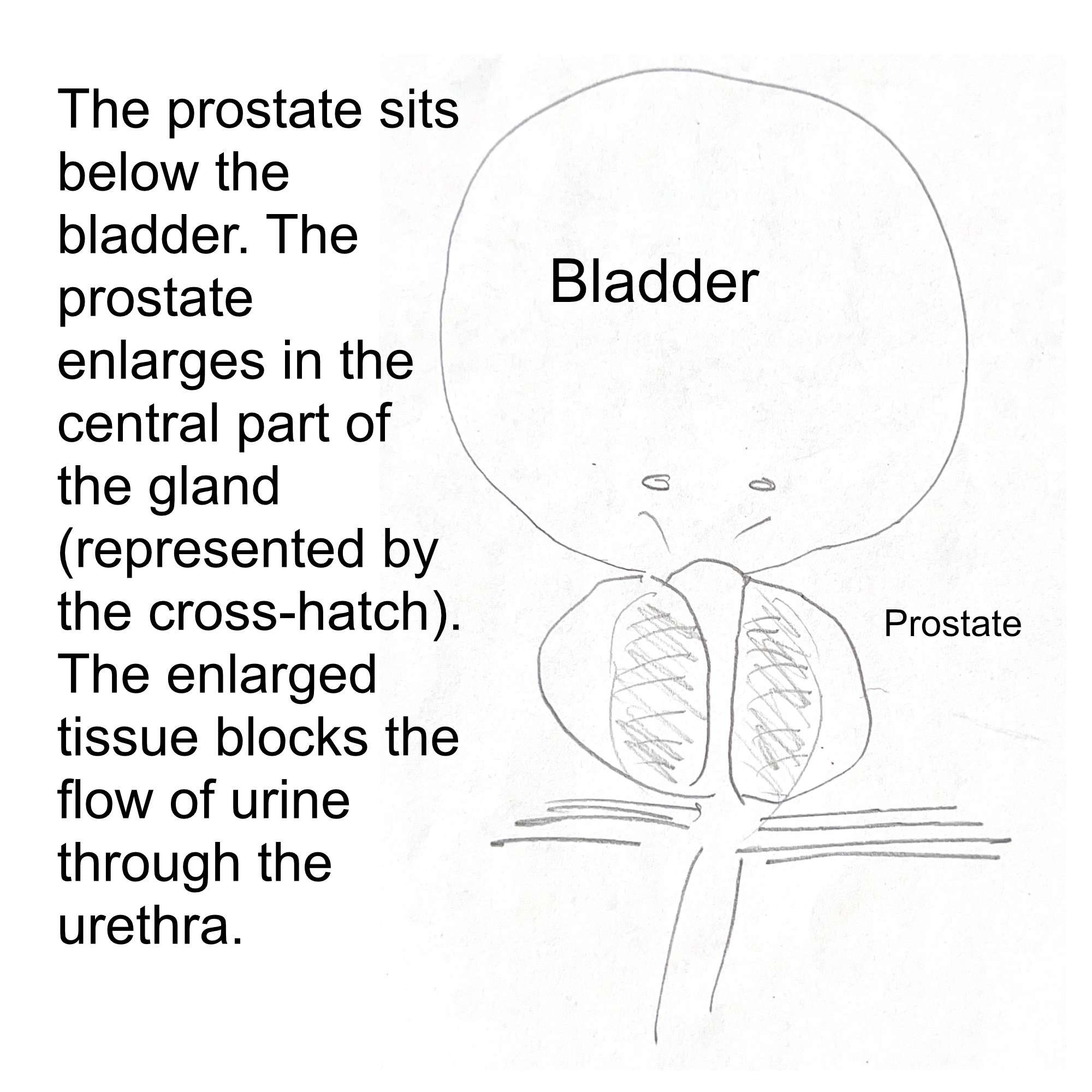
BPH or enlarged prostate. As the prostate enlarges in the central gland it can obstuct the urethra. Removing the central enlarged tissue can relieve the obstruction.
Can you describe the procedure or draw a picture?
2
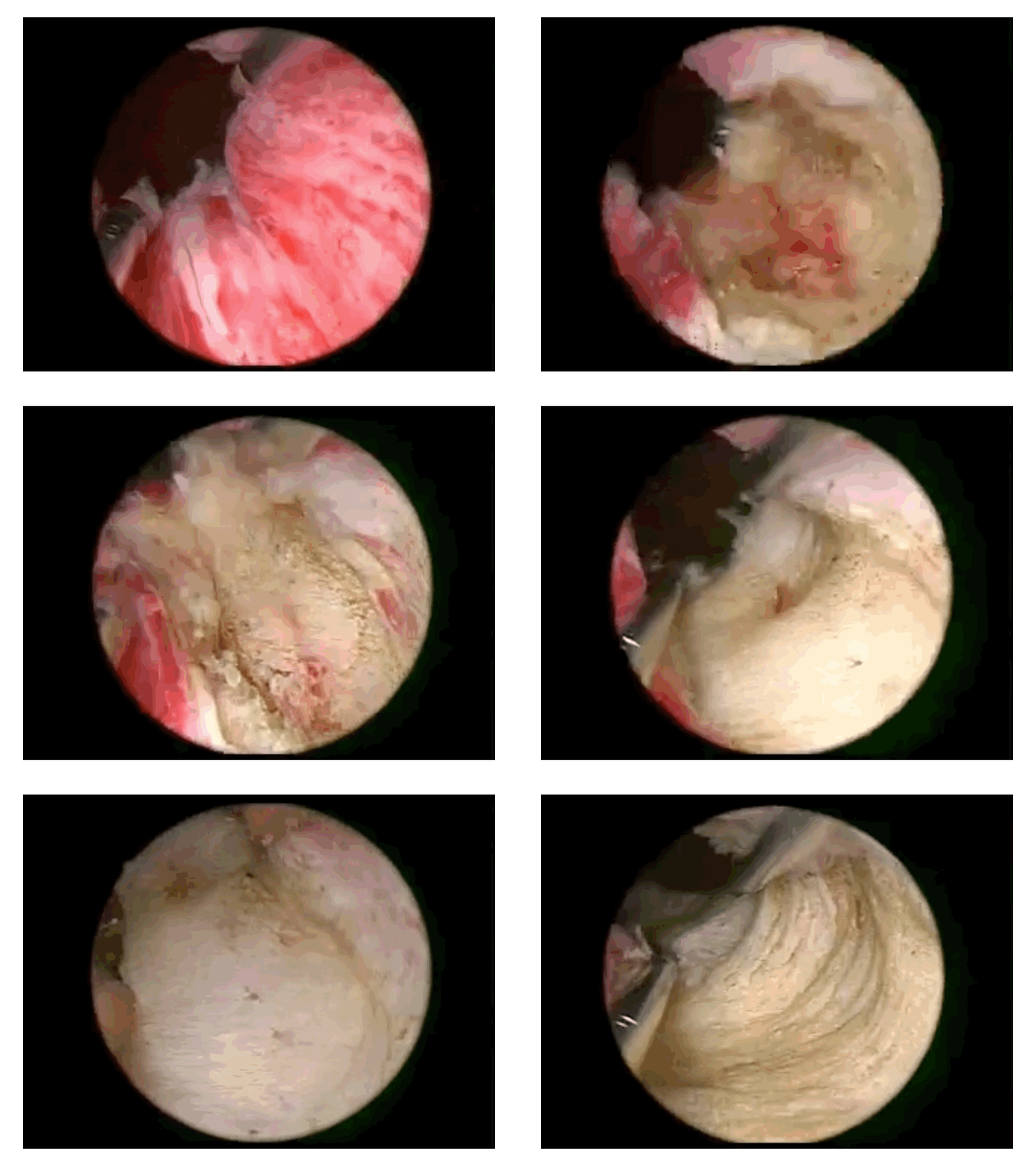
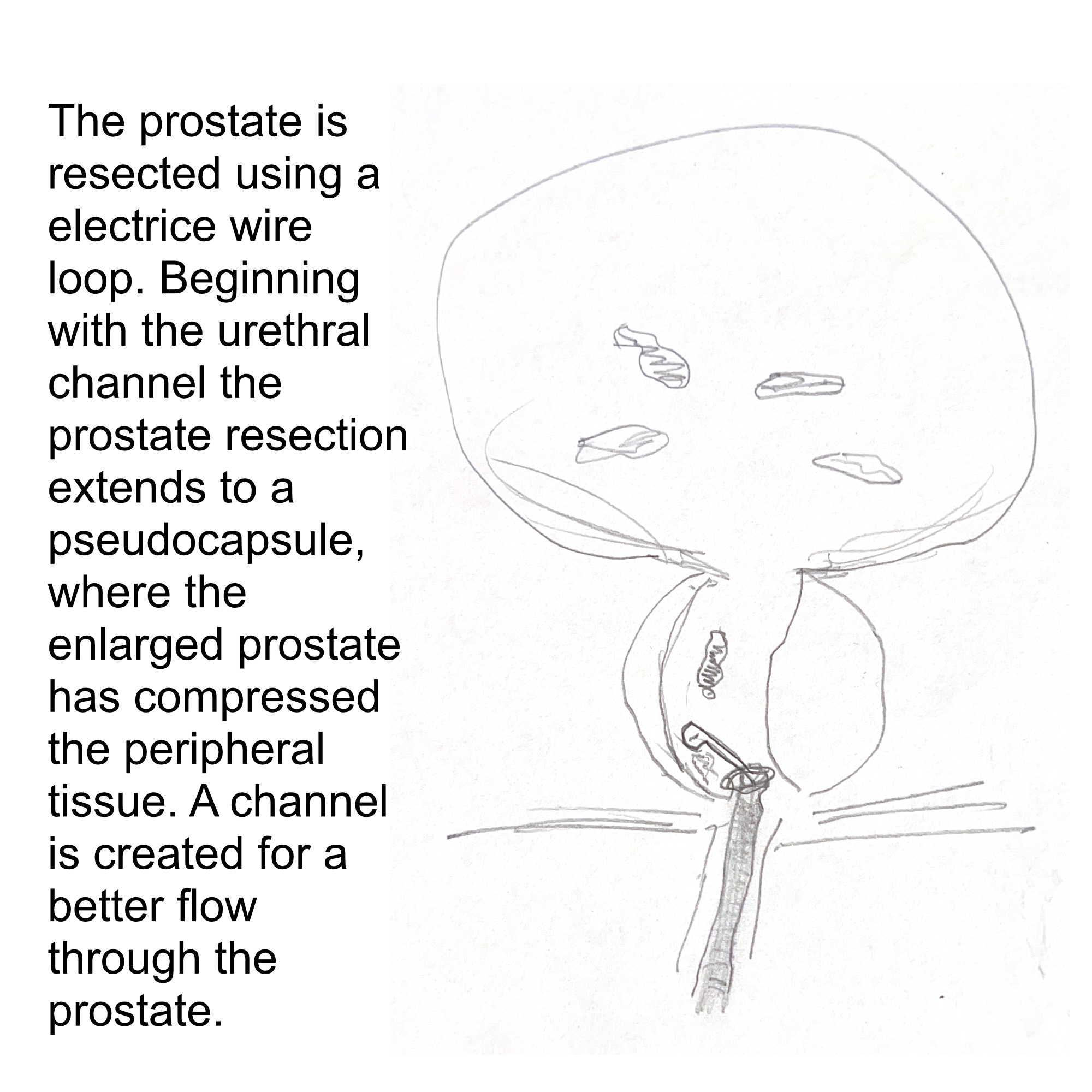
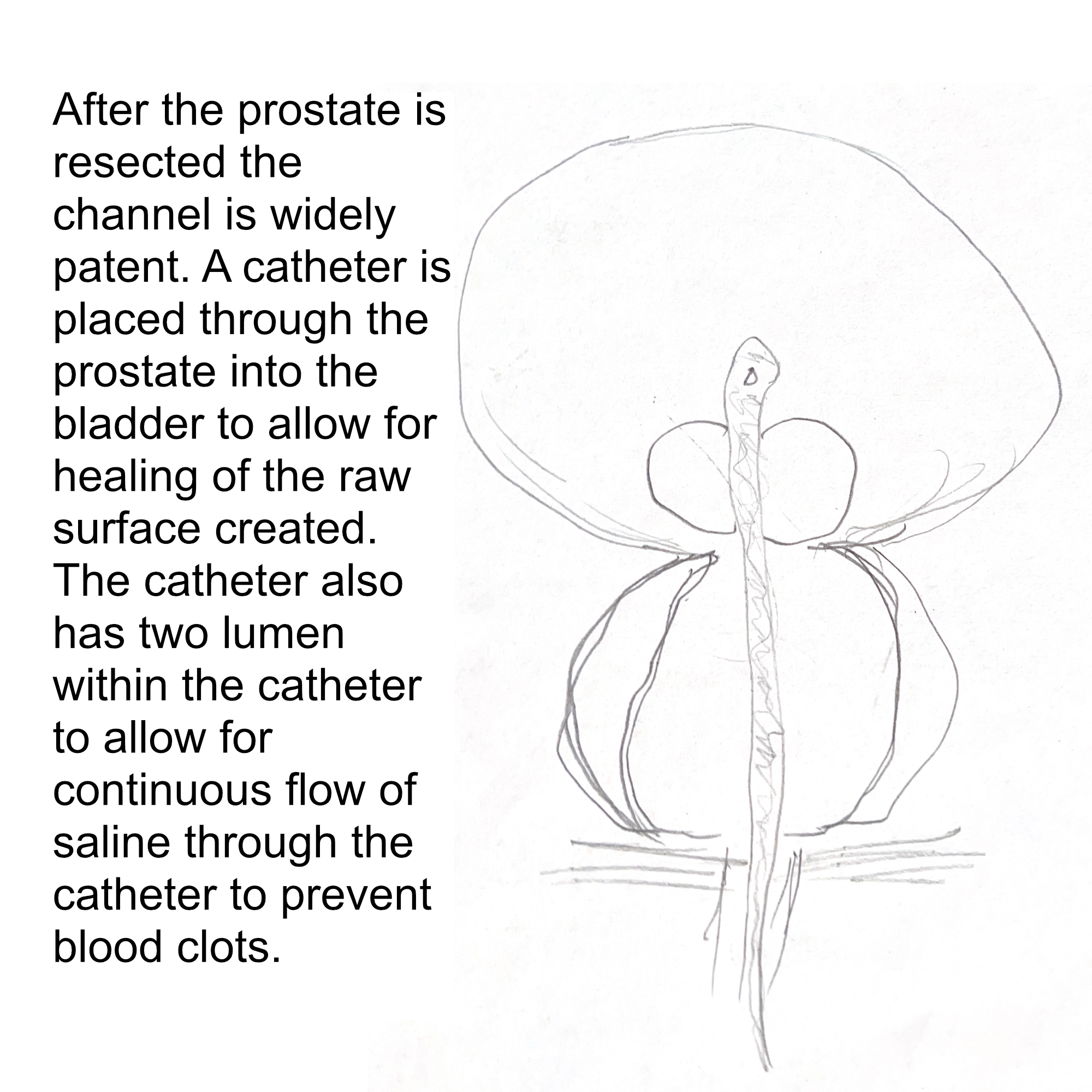
Under general anesthesia the surgeon places a resectoscope through the urethra to the level of the prostate gland. Using an electrocautery loop the prostate is resected to the prostatic capsule to create a larger channel through the prostate. A catheter is placed after the surgery to allow for healing. Hospital stay is usually one night.
What are the benefits of doing this procedure?
3
The benefit is relief of obstruction from the prostate.
What are the risks of doing the procedure?
4
Bleeding: This is common given the nature of the procedure creating raw surface where the prostate is resected.
Infection: Common, usually low grade. Can be severe in rare cases where sepsis (infection in the bloodstream) occurs.
Anesthetic complications: Uncommon. Depends on age and health status of patient.
TUR Syndrome: Rare. Fuid absorption during the procedure drops the sodium level in the blood to dangerous levels
Retrograde Ejaculation: Common. The ejaculate will go back into the bladder rather than out the urethra during sexual activity. Not dangerous but does change sensation of orgasm.
Sexual Dysfunction: Erectile difficulty after TURP is uncommon but can occur.
Incontinence: Rare.
Are there alternatives to this procedure I should be considering?
5
Many alternatives for TURP exist. The choice of TURP vs. the other options will depend on the discussion you will have with your surgeon.
Is this a common procedure?
6
This varies on clinical situation. Men in urinary retention requiring surgery now. Men with progressive voiding symptoms may elect to defer surgery until a convenient time or until they feel is necessary.
Should I do the procedure now or what happens if I wait to do the procedure?
7
Standard recommendations for pre-operative evaluation, avoiding blood thinners, and fasting exist. Some men will take a laxative the day prior.
How do I prepare for this surgery?
8
You will be in the hospital overnight and go home with a catheter. The catheter is removed in 3-5 days. After catheter removal men will void on their own. Recovery of bleeding and infection risk happens over 6-12 weeks although most men resume normal activity within a few days to weeks. Some urgency and frequency of urination is common during healing.
How do I recover from this procedure?
9
Yes, this is covered by insurance.
Is this procedure covered by insurance?
10
Yes, this is a very common procedure.