
daVinci Robotic Radical Nephrectomy FAQs
What is the diagnosis or pathology being treated by this procedure or surgery?
1
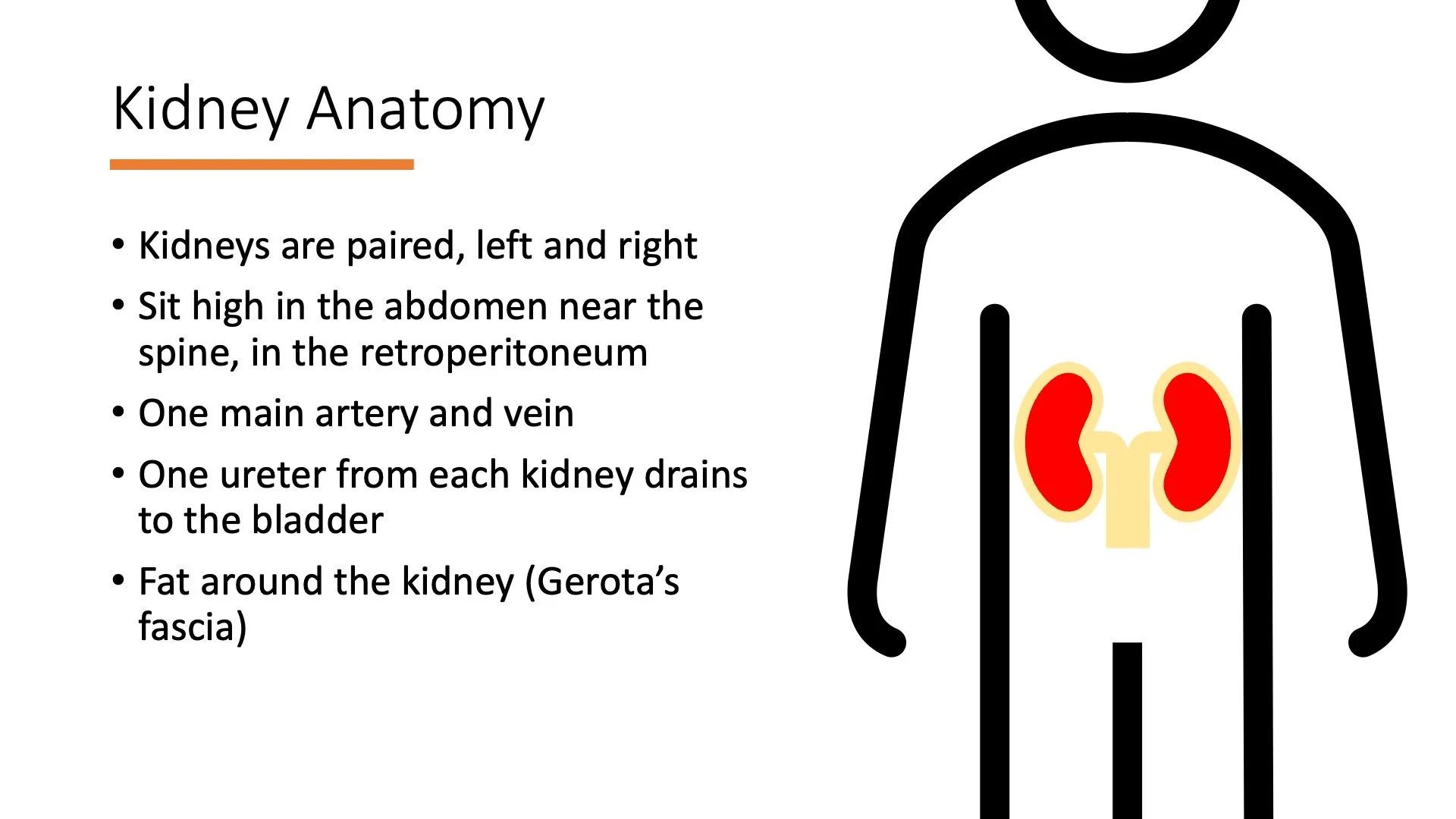
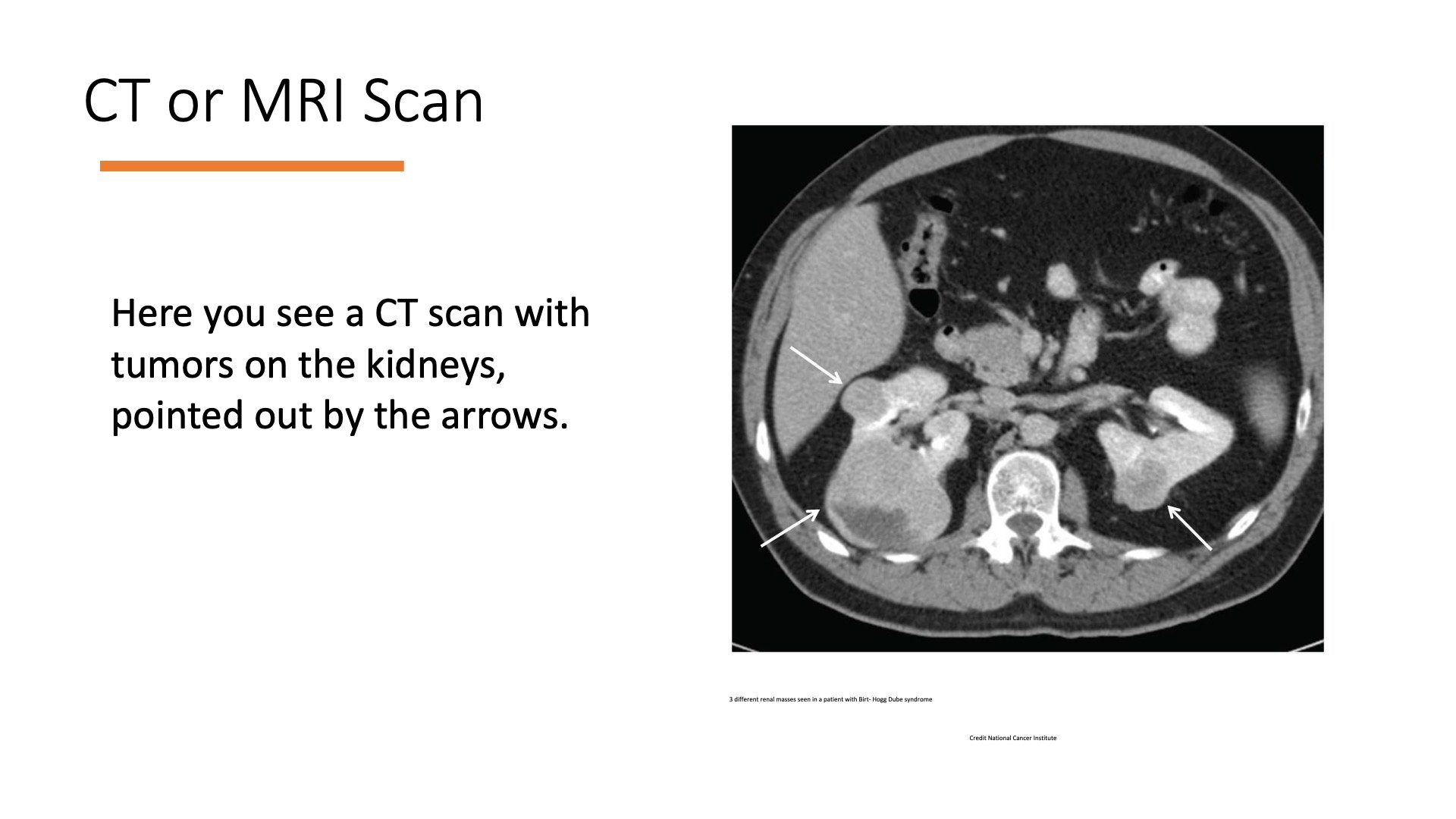
A radical nephrectomy is most often need for kidney cancer treatment. When the mass in the kidney is either too large or in a position where it can’t be separated from the kidney, the entire kidney, surrounding fat, and sometimes the adrenal gland are removed.
Can you describe the procedure or draw a picture?
2
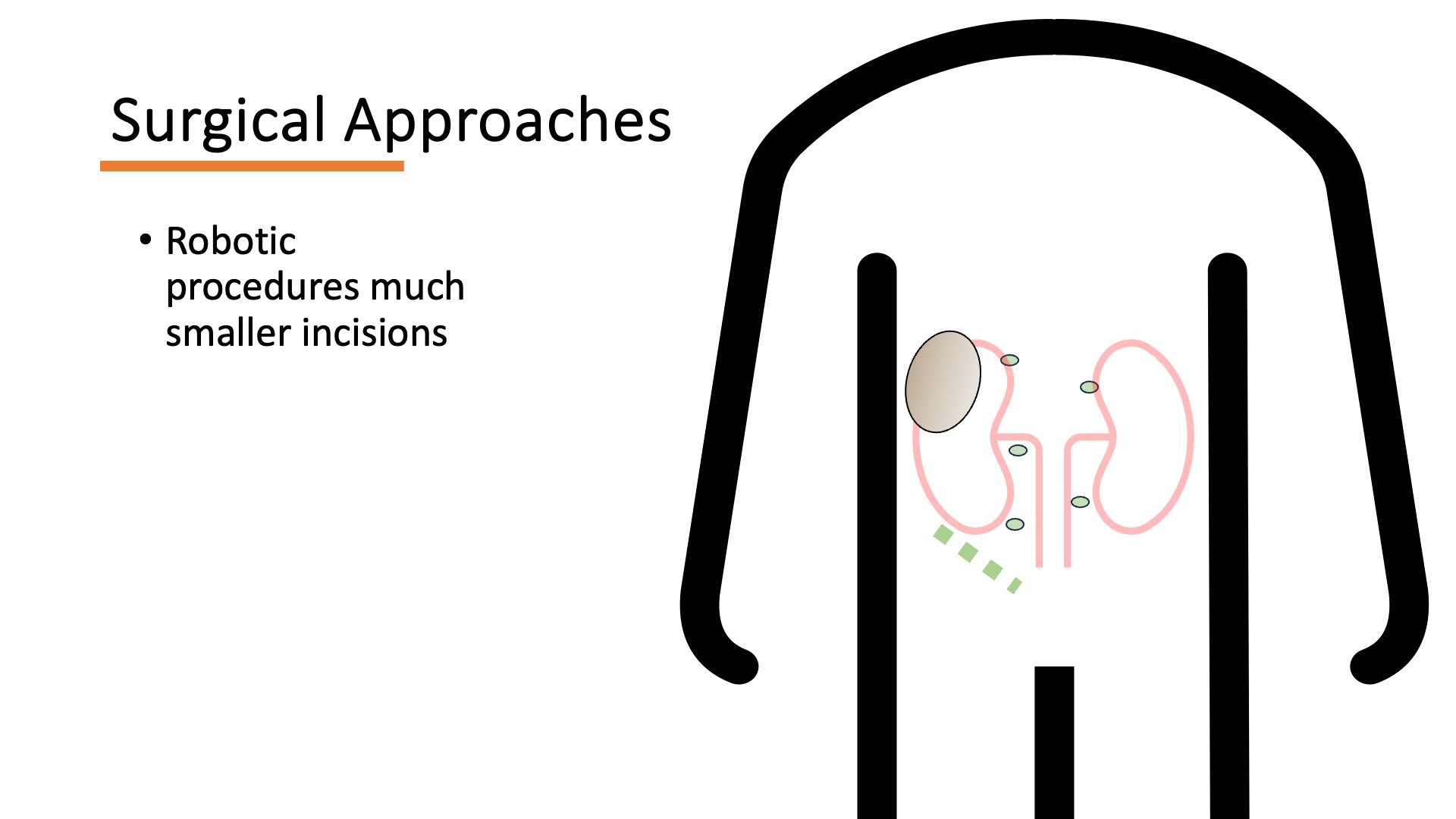
The entire kidney, surrounding fat, and sometimes the adrenal gland are removed. The dissection is performed robotically, using the robotic instruments to avoid making an incision. The incision to remove the kidney is made at the end of the procedure after the kidney has been dissected and placed into an extraction bag. The procedure takes 1-3 hours depending on size of tumor and patient anatomy.
What are the benefits of doing this procedure?
3
The benefit of the Radical Nephrectomy is that it gives the best chance of removing the entire cancer.
What are the risks of doing the procedure?
4
This is generally considered to be a safe procedure.
Bleeding: Bleeding risk is low. Transfusion rates are rare.
Infection: Infection risk is low.
Anesthesia Risk: Anesthesia risk in this procedure lies mainly in the health and body habitus of the patient. Longer procedures carry more risk.
Risk to nearby organs: Rare. Risk to major blood vessels, bowel, stomach, liver and spleen.
Cancer Recurrence: The risk of cancer recurrence will vary. The rate of cancer return lies mainly in the size of tumor and type of cancer. The goal of the operation is to remove all off the known or visible tumor.
Are there alternatives to this procedure I should be considering?
5
A Partial Nephrectomy (usually done robotically) is the most common alternative to the Radical Nephrectomy. There are cases where the robotic surgery is not appropriate, eg if the tumor is too large or advanced requiring a much larger incision.
Is this a common procedure?
6
Most often if advised to have surgery it is best to schedule at the next available time.
Should I do the procedure now or what happens if I wait to do the procedure?
7
You will be asked the see your primary physician and other specialist for anesthetic clearance. You will stop blood thinning agents at appropriate time prior to surgery. You may be asked to do a bowel preparation prior to to the operation.
How do I prepare for this surgery?
8
You will spend 1-3 days I the hospital. Most people can go home the next day. You will avoid heavy lifting for 3-4 weeks. You will slowly return a regular diet over a few days. You will be encouraged to walk and move as much as you are comfortable to encourage bowel recovery ,regain strength and to avoid blood clots in your legs.
How do I recover from this procedure?
9
Yes, this surgery is covered by insurance.
Is this procedure covered by insurance?
10
Yes, this is a common procedure.